
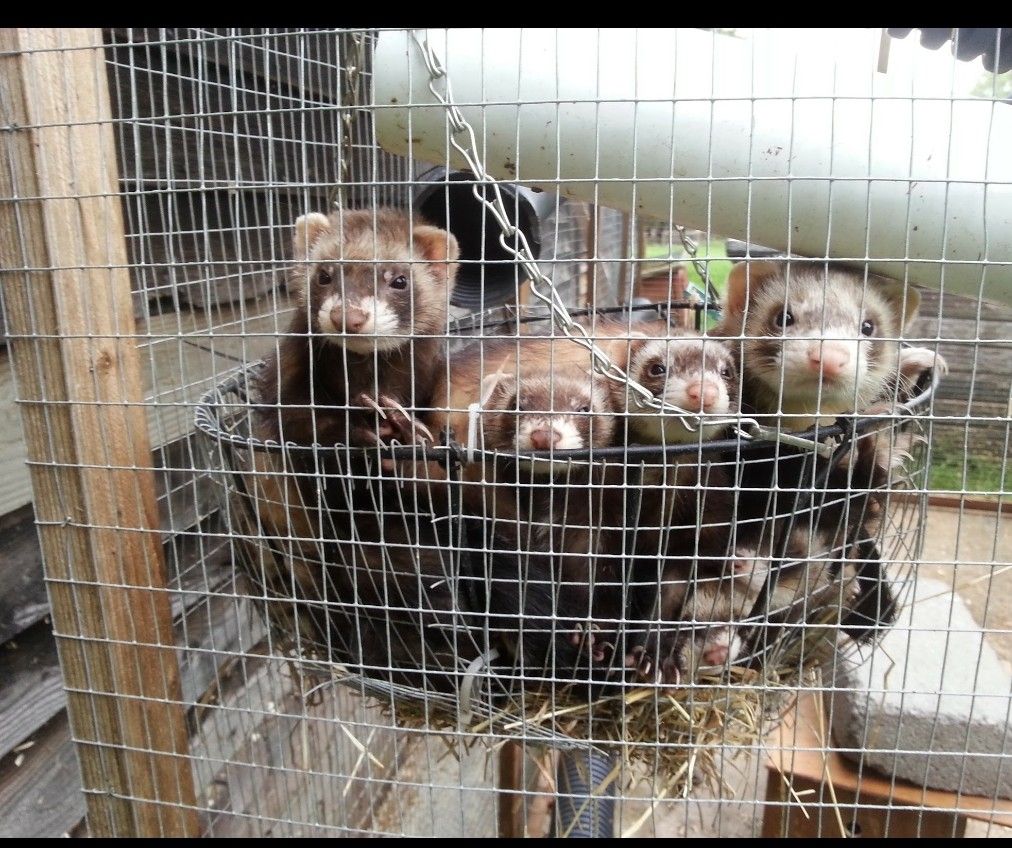
What is a Ferret like?
Ferrets are domesticated relatives of the European polecat and have been kept by humans for hundreds of years. In the UK they are still sometimes associated with working or rural homes, but many are now kept purely as companion pets.
They are naturally inquisitive animals that spend much of the day exploring, tunnelling and investigating anything they can reach. Ferrets sleep for long periods but when awake they are usually energetic, playful and surprisingly funny to watch. Many owners describe them as having dog-like personalities mixed with cat-like independence.
Ferret temperament
Ferrets are social animals that often bond closely with both humans and other ferrets. Well-handled ferrets can become affectionate and confident, although young ferrets may nip during play if not trained gently and consistently. They are usually best suited to older children or adults who understand animal behaviour properly, as rough handling can frighten or stress them. Some ferrets are very cuddly while others stay busy and independent most of the time.
Ferret care needs
- Provide a large, secure enclosure with multiple sleeping and play areas.
- Allow several hours of supervised exercise outside the cage every day.
- Feed a high-protein diet designed specifically for ferrets or obligate carnivores.
- Keep ferrets in compatible pairs or groups where possible because many dislike living alone.
- Use tunnels, hammocks and climbing toys to prevent boredom and destructive behaviour.
- Ferret-proof rooms carefully because they can squeeze into extremely small spaces.
Ferret size and lifespan
Adult ferrets usually weigh between 700g and 2kg depending on sex, breeding and neuter status. Most grow to around 35cm to 50cm long excluding the tail. With good diet, careful housing and regular veterinary care, many pet ferrets live between 5 and 10 years, although genetics and underlying illness can affect lifespan considerably.
Ferret housing and environment
Ferrets need large multi-level indoor cages or secure outdoor enclosures with plenty of ventilation and enrichment. Many UK owners keep them indoors because they are sensitive to extreme heat and prolonged damp conditions. Soft bedding, hammocks and dark sleeping spaces are important because ferrets sleep heavily for much of the day. Their environment should include tunnels, climbing opportunities and safe chew-resistant toys to help prevent stress and boredom.
Diet and nutrition
Ferrets are obligate carnivores and require diets rich in animal protein and fat. Most owners use specialist ferret food or carefully selected high-meat diets formulated for carnivorous species. Sugary foods, fruit and many carbohydrates should be avoided because ferrets process them poorly. Fresh water should always be available and meals are usually offered little and often due to their fast metabolism.
Handling and socialisation
Young ferrets benefit from calm daily handling so they learn confidence around people. Gentle play, hand feeding and regular supervised interaction usually help build trust quickly. Ferrets can nip if startled or overexcited, so children should always be supervised during handling. It is important never to scruff or restrain them harshly unless instructed by a vet for medical reasons.
Is a Ferret right for me?
Ferrets can be hugely rewarding pets but they are not low-maintenance animals. They need daily interaction, secure housing, enrichment and regular cleaning to manage odour and hygiene. Veterinary treatment for exotic mammals can also become expensive quite quickly, especially if specialist care or surgery is needed. They suit owners who enjoy interactive pets and have time to supervise them properly. Insurance is a policy detail some owners compare for any small animal owner given how quickly unexpected vet bills can add up.
For more context before comparing cover, read our rabbit insurance guide and the jargon buster on vet fee limits.