
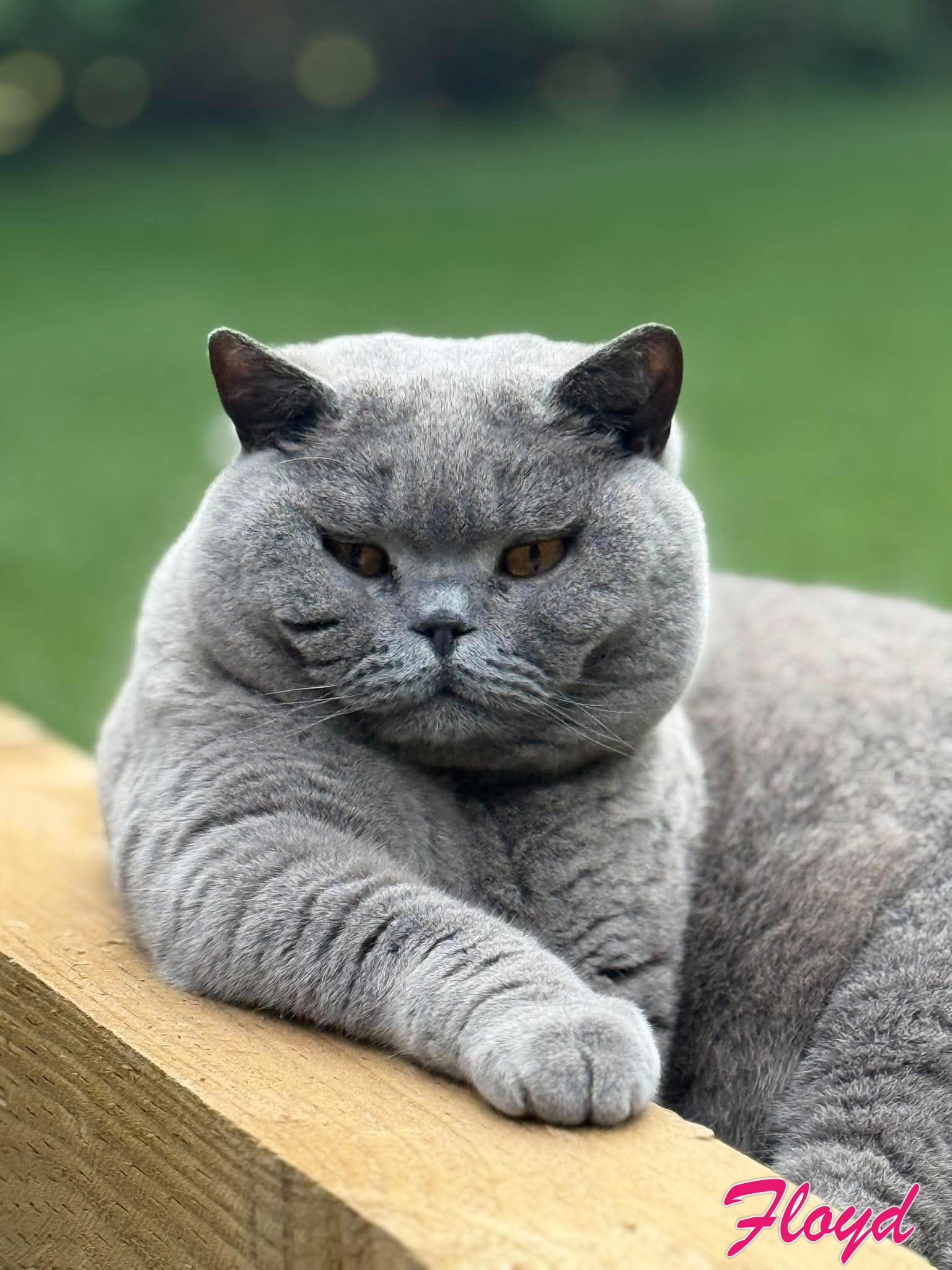
What is a British Shorthair like?
The British Shorthair is often described as the cat equivalent of a dependable, undemanding friend. They are affectionate without being clingy, independent without being aloof, and generally get along with most people and animals they encounter. They tend to be calm in the house and are perfectly happy spending time on their own while their owners are out, which makes them a practical choice for working households.
Originating in Britain from cats brought by Roman invaders and later refined through selective breeding, the British Shorthair is one of the oldest established pedigree breeds in the world. The classic blue-grey colouring is probably the most recognised, but the breed comes in dozens of colours and patterns.
British Shorthair temperament
British Shorthairs are calm, gentle cats who tend not to cause drama. They are not lap cats in the traditional sense; many prefer to sit beside you rather than on you. They are quietly devoted to their families and will usually follow a favourite person from room to room at a respectful distance. They are good with considerate children and will generally tolerate other pets with patience.
British Shorthair care needs
- Although their coat is short, it is dense enough to benefit from a weekly brush to remove loose fur and keep it in good condition.
- British Shorthairs are prone to weight gain, so portion control and not over-relying on treats is important throughout their life.
- They suit indoor life well, though access to a secure garden or outdoor enclosure can be beneficial for mental stimulation.
- Regular dental care, including toothbrushing at home if possible, helps reduce the risk of dental disease.
- Nail trimming every few weeks keeps claws comfortable and reduces the risk of them catching on carpets or furniture.
- They are sociable enough to enjoy company but independent enough to cope with a working household if they have enough enrichment.
British Shorthair size and lifespan
British Shorthairs are solidly built cats, heavier than they sometimes look. Males typically weigh between 5kg and 8kg, while females are generally lighter at 3.5kg to 5.5kg. Height-wise they stand around 30cm to 35cm at the shoulder. They are a slow-maturing breed and may not reach full physical maturity until around three to five years of age. Life expectancy is generally between 12 and 20 years.
British Shorthair exercise and activity
British Shorthairs are not high-energy cats, but they are not entirely sedentary either. They enjoy play sessions and will engage happily with puzzle feeders, wand toys and interactive games, particularly when younger. As they age they tend to become progressively more inclined toward napping, which is where weight management becomes important. A couple of play sessions a day and a cat tree or two to climb keeps most British Shorthairs content.
Coat and grooming
The British Shorthair's plush coat is one of its most appealing features and it is reasonably low-maintenance compared with longhaired breeds. A thorough brush once a week is usually enough to manage shedding and keep the coat looking its best. During spring and autumn, when seasonal shedding increases, brushing every two or three days will help keep on top of loose fur. The coat does not usually tangle or mat, so professional grooming is rarely necessary.
Temperament and training
British Shorthairs are intelligent and observant, though they are not the sort of cat who will perform tricks on command for the joy of it. They respond well to positive reinforcement and can learn household rules and routines without much difficulty. Food motivation works well for training, though treats should be used sparingly. They suit most owners from first-timers to experienced cat people.
Is a British Shorthair right for me?
If you are looking for a calm, affectionate and relatively undemanding companion who suits indoor life and does not need constant entertainment, the British Shorthair ticks a lot of boxes. They are a good choice for families, single owners and working households alike. The main things to factor in are the potential for weight-related health issues if diet is not managed carefully, and the possibility of hereditary conditions such as HCM appearing later in life.
Browse cat guides | Shorthaired breed guides | Compare pet insurance
For more context before comparing cat cover, read our guide to pet insurance policy types and the jargon buster on pre-existing conditions.