
Shorthaired guide

Oriental Shorthair: Complete Breed Guide

The Oriental Shorthair is a cat breed covered in this guide for UK owners, with practical notes on everyday care, common health themes and pet insurance points a policy detail to check. When comparing cover for a Oriental Shorthair, read the policy wording for vet fee limits, dental wording and ongoing condition cover, because those details can make a real difference if treatment is needed.

Last updated: 10 May 2026

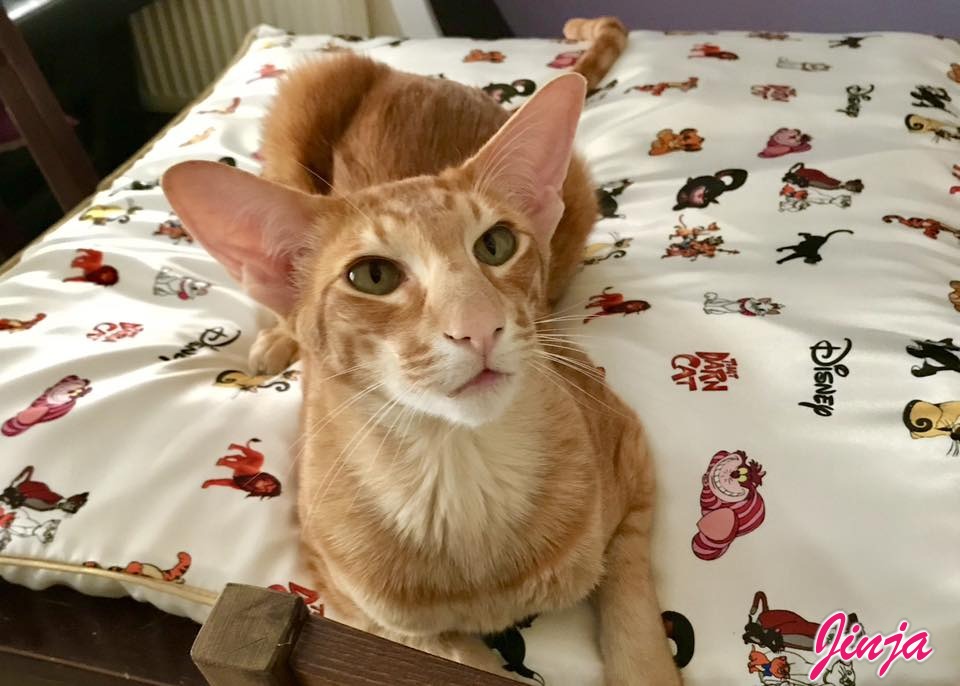
Oriental Shorthair guide photo of Jinja
Breed groupShorthaired
SizeMedium
EnergyHigh
CoatShort, sleek and fine, available in a huge range of colours and patterns

What is an Oriental Shorthair like?

Oriental Shorthairs are lively, inquisitive and highly expressive cats who tend to be involved in everything happening around them. They are rarely quiet observers and most are constantly communicating with their owners.

The breed shares its ancestry with the Siamese and has the same elegant body shape and social personality, but without the pointed coat restriction.

Oriental Shorthair temperament

Oriental Shorthairs are affectionate, demanding and extremely people-focused. They do not usually cope well with loneliness and are best suited to homes where someone is around regularly or where another compatible cat can provide company.

They are intelligent and emotionally aware cats who often bond intensely with one or two people.

Oriental Shorthair care needs

  • Daily play and interaction are essential because the breed is highly intelligent and social.
  • Companion animals are often beneficial as Orientals usually dislike long periods alone.
  • Their short coat is low maintenance and generally only needs a weekly brush or grooming mitt.
  • They appreciate climbing areas, puzzle toys and interactive games to prevent boredom.
  • Weight should be monitored because some individuals become less active with age while retaining a strong appetite.
  • Dental care should begin early because oriental breeds can be prone to dental disease.

Oriental Shorthair size and lifespan

Oriental Shorthairs are medium-sized cats with a slim, athletic build. Males generally weigh between 4kg and 6kg, while females are often between 3kg and 5kg. Life expectancy is usually around 12 to 15 years.

Oriental Shorthair exercise and activity

Oriental Shorthairs are active and agile cats who need regular stimulation. They enjoy climbing, chasing toys, learning tricks and exploring elevated spaces around the home.

Coat and grooming

The Oriental Shorthair coat is sleek, fine and very low maintenance. Weekly grooming is usually enough to remove loose hair and keep the coat glossy. Routine care should focus more on ears, teeth and nails than coat maintenance.

Temperament and training

Oriental Shorthairs are highly trainable because they are intelligent, curious and strongly motivated by interaction. They often enjoy clicker training, trick work and puzzle-solving games.

Is an Oriental Shorthair right for me?

An Oriental Shorthair can be an amazing companion for someone who wants a vocal, affectionate and intelligent cat that becomes deeply involved in family life. The coat is simple to maintain, but the breed's social and emotional needs are significant.

Oriental Shorthair insurance points to check

This section is not financial advice. It is a plain-English checklist of policy details Oriental Shorthair owners can use to understand policy wording before purchase.

Vet fee limit

Chronic cardiac or dental conditions can generate ongoing costs.

  • Policy wording shows whether the limit resets annually or applies across the life of the policy.
  • Chronic cardiac or dental conditions can generate ongoing costs.
  • Higher annual limits usually provide greater flexibility over a long lifespan.

Hereditary condition wording

Conditions linked to oriental breed lines are a policy detail to check.

  • Policy wording shows whether hereditary conditions are covered or excluded.
  • Ask how the insurer handles conditions linked to oriental breed lines.
  • Understand the difference between hereditary and congenital wording.

Dental cover

Dental illness is particularly relevant in oriental breeds.

  • Policy wording shows whether dental illness is covered or whether only accidents are included.
  • Look for requirements around annual dental examinations.
  • Ask whether extractions and gum treatment are covered.

Respiratory and chronic illness cover

Recurring respiratory conditions can become ongoing claims.

  • Policy wording shows whether asthma-related treatment or recurring respiratory issues are covered.
  • Some policies limit long-term medication claims.
  • Lifetime cover is often more useful for chronic conditions requiring ongoing management.

Related cat guides

Continue researching similar breeds and cat insurance topics.

Oriental Shorthair FAQs

Common questions about Oriental Shorthairs and pet insurance.

Are Oriental Shorthairs expensive to insure?

Oriental Shorthairs are often mid-range to above-average for insurance premiums among pedigree breeds. Hereditary cardiac, dental and respiratory conditions may affect how insurers assess risk.

What health issues are Oriental Shorthairs known for?

Health themes discussed in Oriental Shorthairs include HCM, dental disease, respiratory sensitivity, amyloidosis and PRA. Many live long healthy lives, but understanding the breed's hereditary background is important.

How does lifetime cover apply for an Oriental Shorthair?

Lifetime cover is often a policy detail some owners compare because it can continue covering eligible ongoing conditions at renewal, within the policy limits. This may be useful for chronic dental, respiratory or cardiac conditions.

Can I insure an Oriental Shorthair with a pre-existing condition?

Most insurers will still offer cover, but the pre-existing condition and related issues are usually excluded. Some providers reassess exclusions after a symptom-free period depending on the wording.