
Gundog guide

German Shorthaired Pointer: Complete Breed Guide

The German Shorthaired Pointer is a dog breed covered in this guide for UK owners, with practical notes on everyday care, common health themes and pet insurance points a policy detail to check. When comparing cover for a German Shorthaired Pointer, read the policy wording for vet fee limits, dental wording and hereditary condition cover, because those details can make a real difference if treatment is needed.

Last updated: 10 May 2026

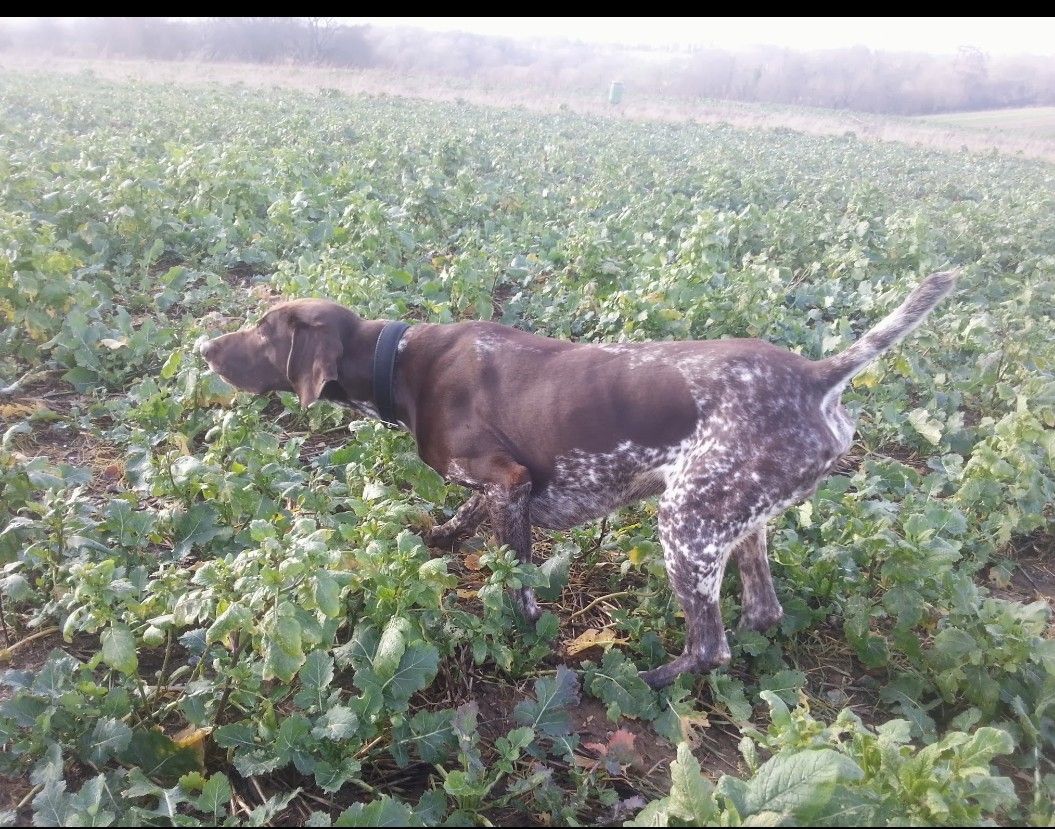
German Shorthaired Pointer guide photo
Breed groupGundog
SizeLarge
EnergyVery active
CoatShort

Is the German Shorthaired Pointer a good family dog?

The German Shorthaired Pointer is an athletic, energetic gundog bred to hunt, point and retrieve across land and water. This is a powerful, intelligent breed that tends to suit experienced owners who enjoy serious daily exercise, training and outdoor adventure.

German Shorthaired Pointer temperament

German Shorthaired Pointers are usually affectionate, enthusiastic and highly people-focused, but they are also full of drive. Many are happiest when they have a job to do, and without enough exercise or mental challenge they can become restless, noisy or difficult to manage.

German Shorthaired Pointer care needs

  • Provide around two hours of daily exercise, including free running, scent work and structured training where safe.
  • Use recall, steadiness and impulse-control training from puppyhood to manage hunting instincts.
  • Brush the short coat weekly and check the skin after rough-ground walks for cuts, ticks or grass seeds.
  • Keep the dog lean, as excess weight can increase strain on joints in this athletic breed.

German Shorthaired Pointer size and lifespan

Male German Shorthaired Pointers typically weigh between 25 and 32 kg and stand around 58 to 64 cm at the shoulder. Females usually weigh between 20 and 27 kg and stand around 53 to 59 cm tall. The average lifespan is around 12 to 14 years. Good fitness, careful exercise during growth and maintaining a lean body condition can help support long-term mobility.

German Shorthaired Pointer exercise needs

Most adult German Shorthaired Pointers need around two hours of exercise every day, and many need more than that if they come from working lines. They enjoy running, tracking, scent work, retrieving and swimming. This is not a breed that is usually satisfied by a short walk around the block. Puppies should build exercise carefully, avoiding repetitive jumping, long runs beside bikes or heavy impact while joints are developing.

Coat and grooming

The short coat is easy to maintain and usually only needs weekly brushing with a grooming mitt or soft brush. However, the lack of long coat does not mean no care is needed. The skin should be checked after field walks for cuts, scratches, ticks and grass seeds. Ears should be dried after swimming, and nails often need regular attention if the dog exercises mainly on soft ground.

Temperament and training

German Shorthaired Pointers are intelligent and often quick learners, but their drive can make them challenging for owners who underestimate them. They need consistent, reward-based training and strong recall foundations. Many are affectionate with children and sociable with dogs when well socialised, but their speed and enthusiasm can be too much for very young children. They are usually alert but not heavy guard dogs, and many dislike being left alone for long periods.

Is a German Shorthaired Pointer right for me?

The German Shorthaired Pointer suits active owners who want a high-energy dog and can commit to training as part of daily life. They are not usually a good match for sedentary homes, very small living spaces without access to proper exercise, or owners away from home all day. Food, training, accident risk and potential orthopaedic treatment are worth factoring in when comparing insurance cover.

German Shorthaired Pointer health issues and pet insurance checks

This section is not financial advice. It is a plain-English checklist of policy details German Shorthaired Pointer owners can use to understand policy wording before purchase.

Cruciate and joint cover

German Shorthaired Pointers are fast, agile dogs, and knee or joint injuries can occur during high-speed exercise. The policy wording around orthopaedic claims is important.

  • Policy wording shows whether cruciate ligament injuries are subject to waiting periods, separate limits or exclusions.
  • Policy wording sets out whether both knees are treated as one bilateral condition if problems occur at different times.
  • Policy wording shows whether post-operative physiotherapy, hydrotherapy and rehabilitation are included within the standard vet fee limit.

Emergency treatment and bloat

Deep-chested athletic breeds can occasionally need urgent treatment, including for gastric emergencies. Emergency wording is a policy detail to read before it is needed.

  • Policy wording shows whether out-of-hours consultations, emergency surgery and hospitalisation are included within the main vet fee allowance.
  • Policy wording sets out whether illness cover starts immediately or only after a waiting period.
  • Policy wording shows whether referral surgery can be arranged quickly and whether pre-authorisation is required.

Outdoor injury wording

This breed often runs through fields, woodland and rough ground, so minor injuries and foreign bodies can become part of real-life ownership.

  • Policy wording shows whether grass seed removal from ears, paws, eyes or skin is covered.
  • Policy wording sets out whether cuts, torn nails and paw injuries are included under accident cover.
  • Policy wording shows whether repeat lameness investigations are covered if the first consultation does not give a clear diagnosis.

Related dog guides

Continue researching similar breeds and dog insurance topics.

German Shorthaired Pointer FAQs

Common questions about German Shorthaired Pointer dogs and pet insurance.

Are German Shorthaired Pointers good family dogs?

They can be excellent family dogs in active homes that meet their exercise and training needs. Their energy and strength mean they may be too much for very quiet households or families wanting a low-effort dog.

How much exercise does a German Shorthaired Pointer need?

Most adults need around two hours of proper exercise each day, including running and mental stimulation. Working-line dogs may need even more structure and training.

Are German Shorthaired Pointers easy to train?

They are intelligent and often learn quickly, but their hunting drive can make them distractible outdoors. Recall, steadiness and impulse control should be prioritised from puppyhood.

What health issues are German Shorthaired Pointers known for?

They can be associated with hip dysplasia, gastric torsion risk, cruciate injuries, ear infections and outdoor injuries. Not every dog will develop these issues, but they are useful themes to consider when comparing cover.