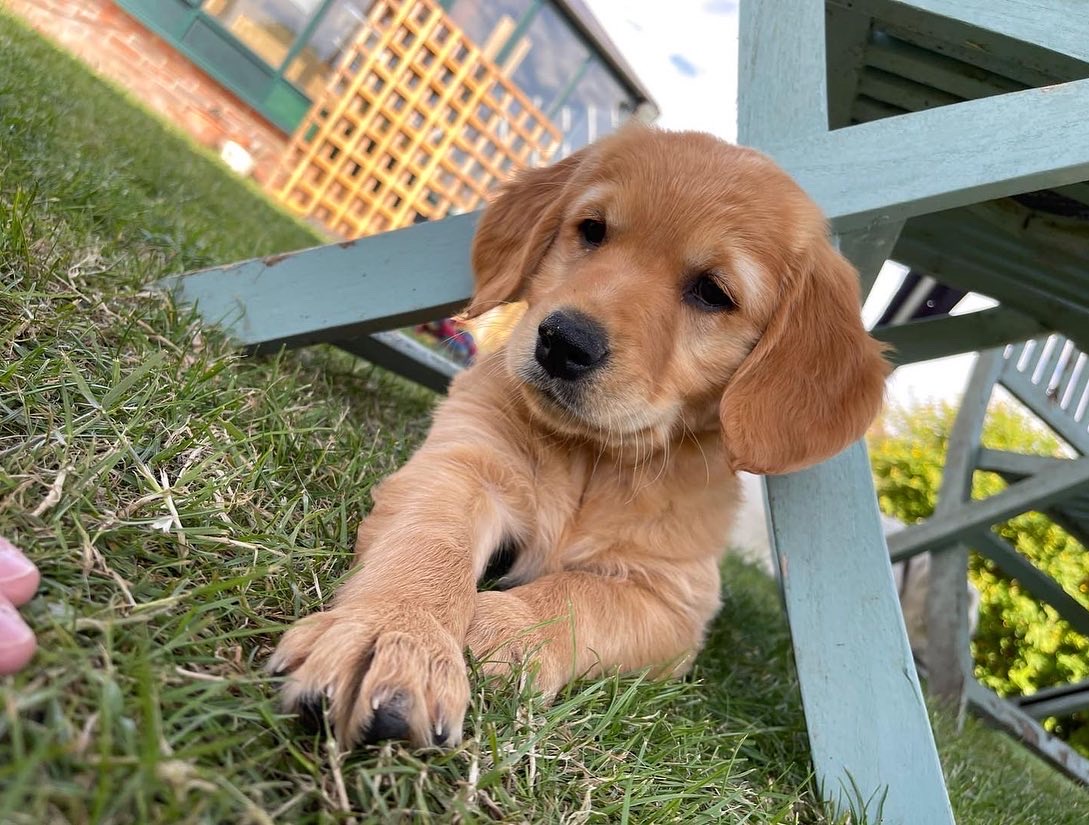

Is the Golden Retriever a good family dog?
Golden Retrievers are typically friendly, sociable and people-focused dogs. They are often popular with families because they tend to enjoy company, training, outdoor time and being involved in everyday life.
They are also a working gundog breed, so many Golden Retrievers need more than a short walk around the block. Regular exercise, enrichment, training and weight management can all play a part in keeping them comfortable and healthy.
Golden Retriever temperament
Many Golden Retrievers are affectionate, food-motivated and eager to learn. That can make training rewarding, but it also means owners may need to watch portion sizes and avoid too many high-calorie treats.
Golden Retriever care needs
- Regular brushing, especially during shedding periods.
- Ear checks after swimming, muddy walks or heavy exercise.
- Weight management to reduce pressure on joints.
- Steady exercise and mental enrichment rather than occasional overdoing it.
Golden Retriever size and lifespan
Golden Retrievers are a large breed. Males typically weigh between 29 and 34 kg and stand around 58 to 61 cm at the shoulder. Females are slightly smaller, usually between 25 and 32 kg and 54 to 57 cm tall. The average lifespan for a Golden Retriever is 10 to 12 years, though some live longer with good care, a healthy weight and appropriate exercise throughout their life.
Golden Retriever exercise needs
Golden Retrievers are an active working breed and need substantial daily exercise. Most adult Golden Retrievers benefit from at least two hours of exercise per day, including off-lead running, swimming and mental stimulation. They are retrieving dogs by nature, so games involving fetch and scent work can be particularly rewarding. Puppies should follow the five-minute rule per month of age to protect developing joints. A six-month-old puppy, for example, should not exceed 30 minutes of structured exercise at a time.
Coat and grooming
Golden Retrievers have a dense double coat that sheds throughout the year and more heavily during seasonal changes. Regular brushing, at least three to four times per week, helps manage shedding and prevents matting around the ears, legs and tail. Many owners choose to have their Golden Retriever professionally groomed every six to eight weeks. Their love of water and muddy walks means ears should be checked and dried regularly after swimming or wet walks, as moisture can contribute to ear infections.
Temperament and training
Golden Retrievers are widely regarded as one of the most trainable dog breeds. They are eager to please, food-motivated and respond well to positive reinforcement. This makes them a popular choice for first-time dog owners, as well as for roles in assistance, therapy and search and rescue work. They are sociable dogs that generally get on well with children, other dogs and strangers. They are not natural guard dogs. Golden Retrievers can be prone to separation anxiety if left alone for long periods, so early training around independence is worth prioritising.
Is a Golden Retriever right for me?
Golden Retrievers suit active households that can commit to significant daily exercise and regular grooming. They thrive with company and do not do well when left alone for long stretches. They are generally adaptable to different living situations, including families with children and multi-pet households, as long as their exercise and social needs are met. Their size and activity level means ownership costs can be higher than for smaller breeds, including food, grooming, and potentially vet treatment costs. These are worth factoring in before comparing insurance cover.
For more context before comparing cover, read our guide to hip scoring and dog insurance and the jargon buster on bilateral conditions.