
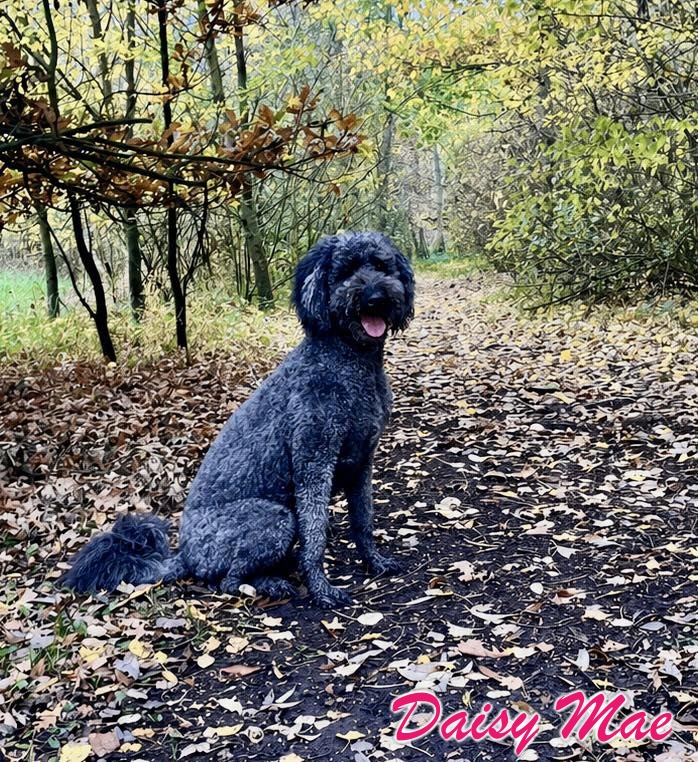
What is a Goldendoodle like?
Goldendoodles are usually affectionate, cheerful dogs that enjoy being close to their people. Many inherit the Golden Retriever's friendly outlook alongside the Poodle's clever, trainable nature, which can make them lovely companions for active homes.
Because they are crossbreeds, Goldendoodles can vary in size, coat and temperament. Some are calm and gentle, while others are bouncy, busy and quite full-on, especially when young. They often enjoy family life, visitors, training games and outdoor adventures.
Goldendoodle temperament
Goldendoodles are usually people-focused dogs that respond well to kind, consistent training. Many are sociable and eager to please, but young dogs can be excitable and may need help learning calm greetings, loose-lead walking and settling around the house.
Goldendoodle care needs
- Goldendoodles usually need daily walks, games and mental stimulation.
- Their coats can mat easily, especially behind the ears, under the legs and around the collar.
- Many enjoy swimming, retrieving and scent-based activities.
- Young Goldendoodles can be jumpy if they are not taught calm manners early.
- Ear checks are important, particularly after wet walks or swimming.
- Larger dogs may need careful weight management to reduce strain on joints.
Goldendoodle size and lifespan
Male Goldendoodles are often around 55cm to 65cm tall and may weigh between 25kg and 36kg, depending on breeding lines. Females are usually slightly smaller at around 50cm to 60cm and often weigh between 20kg and 32kg. Average lifespan is generally around 10 to 14 years, although individual dogs can vary a lot.
Goldendoodle exercise needs
Goldendoodles are active dogs that generally enjoy a good mix of walking, play, training and sniffing time. Most adults suit owners who can offer one to two hours of exercise per day, depending on age, size and energy level. Puppies should not be over-exercised while growing, and the five-minute puppy exercise rule is often used as a rough guide. Gentle training games are a good way to tire their brains without overdoing their joints.
Coat and grooming
Goldendoodle coats can range from loose waves to dense curls, and grooming needs can be higher than many new owners expect. Some shed lightly, while others shed more, depending on coat type. Regular brushing is usually needed several times a week, and professional grooming every six to eight weeks is common. Ears, paws and skin should be checked after muddy walks, as their coats can hold moisture and debris.
Temperament and training
Goldendoodles are often bright, willing dogs that enjoy learning with positive reinforcement. Food rewards, toys and praise can all work well, although some dogs become over-excited and need calm, consistent routines. They are often suited to family homes with enough time for training, grooming and companionship. Without enough engagement, they may bark, chew or become restless indoors.
Is a Goldendoodle right for me?
A Goldendoodle may suit you if you want a sociable, active dog and are ready for regular grooming and daily exercise. They are not always the easy, low-shedding option people imagine, and larger dogs can bring higher food, grooming and vet costs. Before committing, it is worth thinking about long-term care, training time and insurance considerations.
Browse dog guidesCross Breeds & Non Pedigree Dogs breed guidesCompare pet insurance
For more context before comparing cover, read our guide to hip scoring and dog insurance and the jargon buster on bilateral conditions.