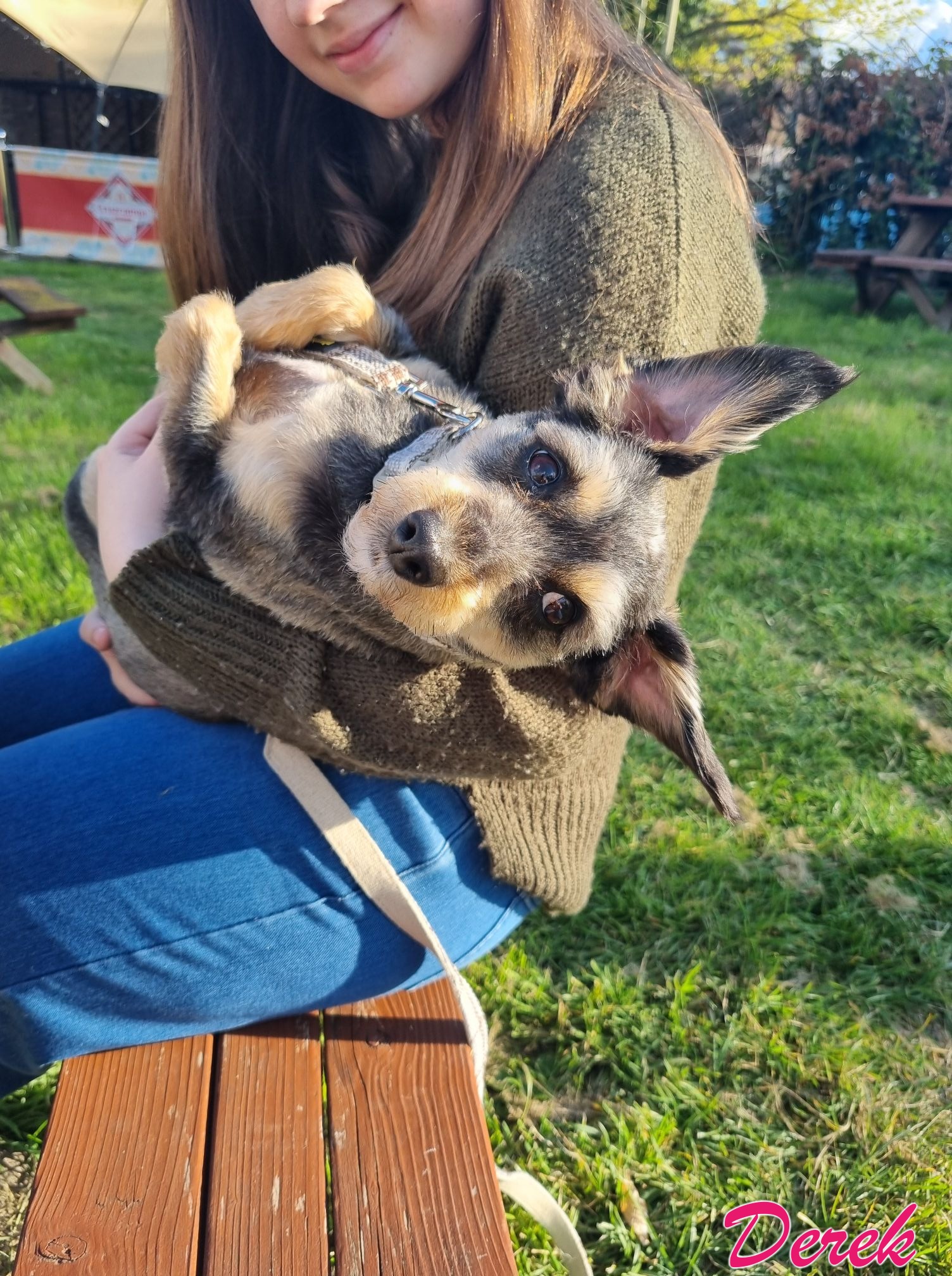
What is a Jackapoo like?
Jackapoos are usually bright, busy dogs that enjoy play, walks and being involved with their people. Many inherit the Jack Russell's confidence and terrier instincts alongside the Poodle's intelligence and trainability, which can make them fun but sometimes very full-on.
Because they are crossbreeds, Jackapoos can vary in coat, size and personality. Some are cuddly little companions, while others are energetic, noisy and always looking for something to chase, sniff or investigate.
Jackapoo temperament
Jackapoos are often affectionate and loyal with their families, but they can also be bold, quick-thinking and independent. Reward-based training, early socialisation and clear routines help manage barking, chasing, jumping up and over-excitement.
Jackapoo care needs
- Jackapoos usually need daily exercise and training, not just garden play.
- Their coat may need regular brushing, especially if it is curly or soft.
- Recall training is important because terrier instincts can be strong.
- Many enjoy puzzle toys, scent work and trick training.
- Some Jackapoos can be vocal if bored or under-stimulated.
- Care is needed around smaller pets because some have a strong prey drive.
Jackapoo size and lifespan
Male Jackapoos are usually around 25cm to 38cm tall and often weigh between 5kg and 10kg. Females are commonly around 23cm to 36cm tall and often weigh between 4kg and 9kg. Average lifespan is generally around 12 to 16 years, with many staying active well into older age.
Jackapoo exercise needs
Jackapoos are active small dogs that usually need a proper daily routine. Most enjoy brisk walks, training games, tug, fetch, sniffing time and secure off-lead running where safe. Puppies should avoid excessive jumping, long repetitive walks and too much stair use while growing, and the five-minute puppy exercise rule can be used as a rough guide. Mental exercise is just as important as physical activity with this bright little crossbreed.
Coat and grooming
Jackapoo coats can be curly, wavy, wiry or somewhere in between. Shedding varies, but soft or curly coats can mat if they are not brushed regularly. Many owners use a professional groomer, especially if the coat grows continuously or tangles easily. Ears, paws and skin should be checked after walks, as adventurous Jackapoos can pick up grass seeds, mud and debris very easily.
Temperament and training
Jackapoos are often intelligent and fast learners, but they may also test boundaries if training is inconsistent. Food, toys and praise can all motivate them, and short fun sessions usually work best. Some can be reactive, barky or chase-driven if not carefully managed. They tend to suit owners who enjoy active little dogs and are prepared to train them properly, rather than expecting them to be easy just because they are small.
Is a Jackapoo right for me?
A Jackapoo may suit you if you want a small dog with energy, humour and plenty of personality. They are less suited to homes wanting a very calm, low-exercise companion. Grooming, training, safe exercise, dental care and possible behaviour support should all be considered, along with insurance considerations.
Browse dog guidesCross Breeds & Non Pedigree Dogs breed guidesCompare pet insurance
For more context before comparing cover, read our guide to hip scoring and dog insurance and the jargon buster on bilateral conditions.