Pastoral breed guide

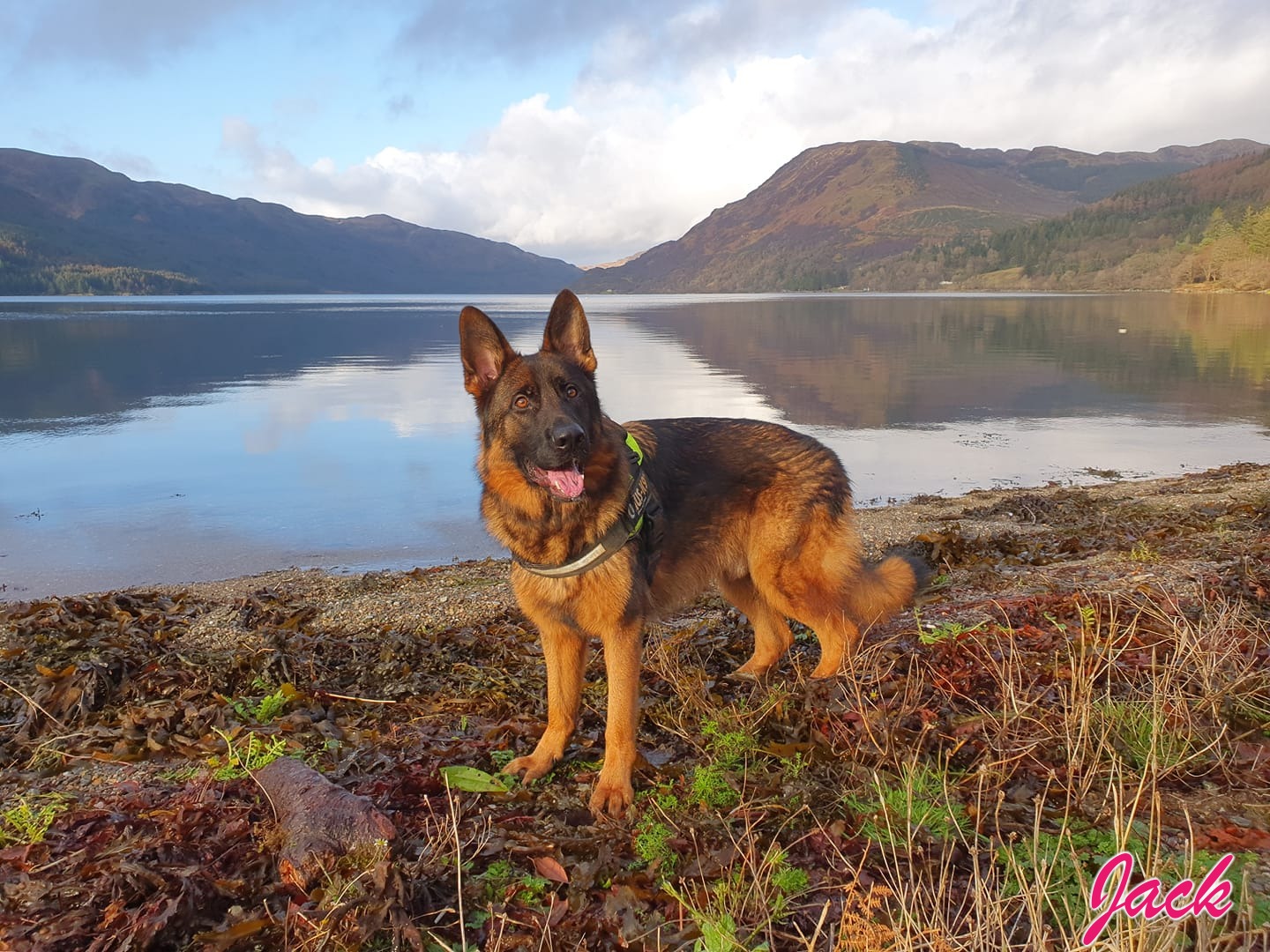
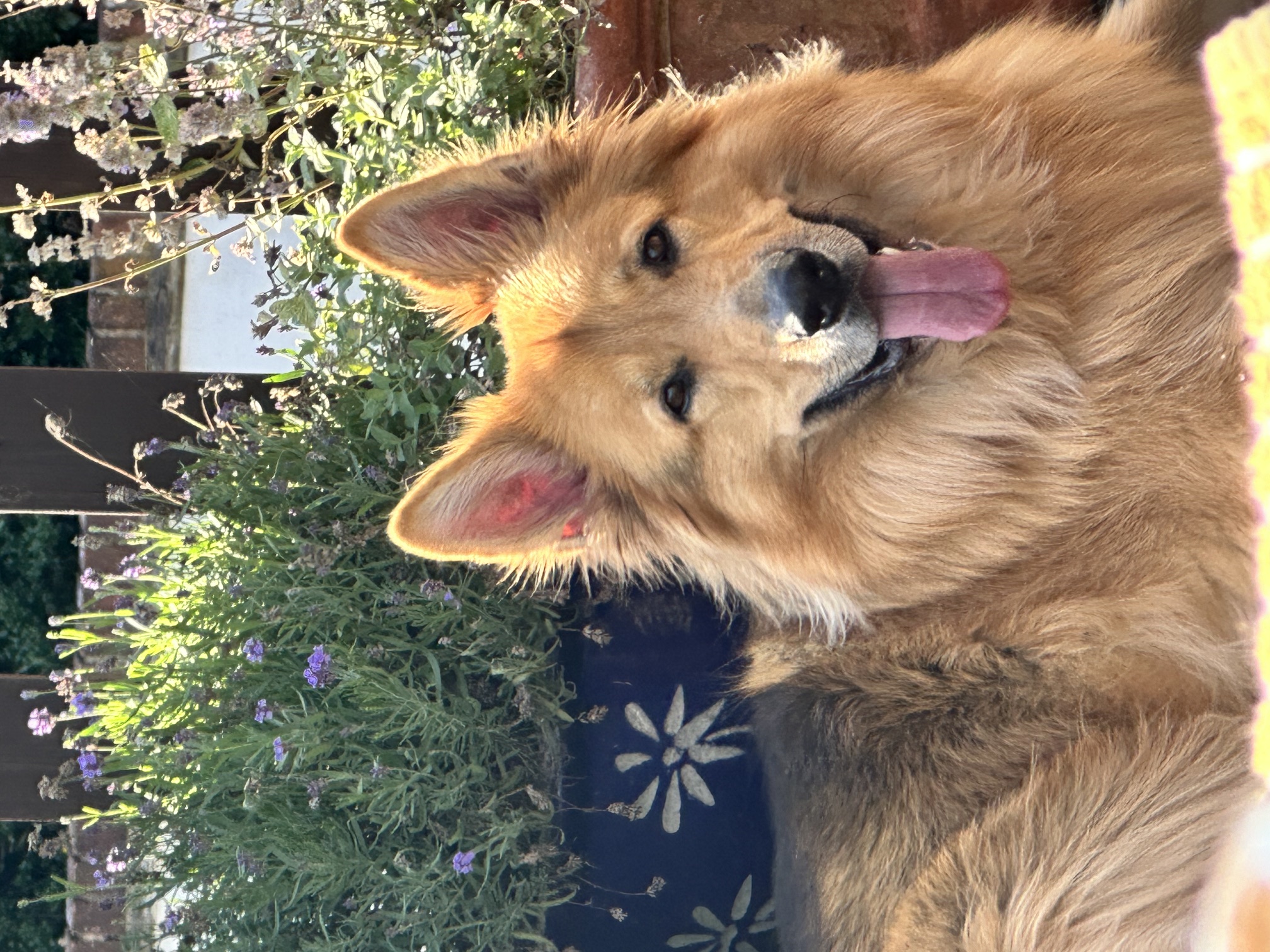
German Shepherd Dog: Complete Breed Guide

The German Shepherd Dog is a dog breed covered in this guide for UK owners, with practical notes on everyday care, common health themes and pet insurance points a policy detail to check. When comparing cover for a German Shepherd Dog, read the policy wording for vet fee limits, dental wording and hereditary condition cover, because those details can make a real difference if treatment is needed.

Last updated: 10 May 2026

German Shepherd Dog
Breed groupPastoral
SizeLarge
EnergyVery active
CoatMedium double coat

Is the German Shepherd Dog a good family dog?

German Shepherd Dogs are usually loyal, alert and closely bonded to their families. Many are naturally protective and can become anxious, reactive or overly watchful without careful socialisation and clear routines.

Care needs

  • Provide substantial daily exercise and mental stimulation, including training, scent work or structured tasks.
  • Use early socialisation and calm training to encourage confident behaviour around visitors, dogs and busy environments.
  • Keep the dog lean because excess weight places extra strain on hips, elbows and spine.
  • Brush the coat several times a week, especially during seasonal shedding periods.

Size and lifespan

Male German Shepherd Dogs typically weigh between 30 and 40 kg and stand around 60 to 65 cm at the shoulder. Females usually weigh between 22 and 32 kg and stand around 55 to 60 cm tall. The average lifespan is around 9 to 13 years. Good breeding, steady exercise, weight control and early attention to mobility changes can help support long-term comfort.

Exercise needs

Most adult German Shepherd Dogs need at least two hours of daily exercise and mental stimulation. They often enjoy obedience, tracking, scent work, protection-style sports, hiking and structured games. Physical exercise alone is rarely enough if their brain is underused. Puppies should avoid repetitive jumping, over-exercising and excessive stairs while hips and elbows are developing.

Coat and grooming

The double coat sheds throughout the year and more heavily during seasonal coat changes. Brushing several times a week helps manage loose hair, with daily brushing often useful during heavy shedding. The coat is practical and weather-resistant, but ears, paws and nails should be checked regularly. Long-coated German Shepherd Dogs may need extra grooming around feathered areas.

Temperament and training

German Shepherd Dogs are highly trainable, but they need clear, fair and consistent handling. Positive reinforcement, structure and careful socialisation are important. Many are excellent family dogs in the right home, but their size, strength and guarding instincts mean owners need to manage introductions, visitors and public spaces responsibly. They can struggle if left alone too much or under-stimulated.

Is this breed right for me?

The German Shepherd Dog suits active, committed owners who enjoy training and can provide structure throughout the dog’s life. They may not suit first-time owners wanting an easy companion or households unable to manage shedding, exercise and protective instincts. Food, training, grooming, orthopaedic care and possible long-term mobility or skin treatment should all be considered when comparing insurance cover.

Insurance points to check

This section is not financial advice. It is a plain-English checklist of policy details German Shepherd Dog owners can use to understand policy wording before purchase.

Hip, elbow and mobility cover

Mobility is one of the biggest practical insurance areas for German Shepherd Dog owners to understand.

  • Policy wording shows whether hip and elbow investigations, X-rays and specialist referrals are included before diagnosis.
  • Look at how bilateral conditions are handled if both hips, elbows or knees are affected.
  • Policy wording shows whether physiotherapy, hydrotherapy and long-term arthritis medication remain covered after renewal.

Neurology and specialist treatment

Some German Shepherd Dogs may need specialist support for neurological or spinal conditions.

  • Policy wording shows whether neurology referrals, MRI scans and advanced diagnostics are included within the policy.
  • Policy wording sets out whether long-term mobility support remains covered if a neurological condition continues.
  • Policy wording shows whether specialist referrals require pre-authorisation before treatment begins.

Skin and emergency cover

Recurring skin problems and emergency gastric treatment can both involve significant costs.

  • Policy wording shows whether dermatology referrals, allergy testing and long-term skin medication are covered.
  • Policy wording sets out whether emergency gastric surgery and out-of-hours hospitalisation are included within the annual vet fee limit.
  • Policy wording shows whether chronic skin conditions remain covered after policy renewal.

Related dog guides

Continue researching similar breeds and dog insurance topics.

German Shepherd Dog FAQs

Quick answers to common questions about living with a German Shepherd Dog.

Are German Shepherd Dogs good family dogs?

Many German Shepherd Dogs are loyal and affectionate family dogs in experienced, active homes. They need training, socialisation and structure to stay balanced.

Do German Shepherd Dogs need a lot of exercise?

Yes, most adults need at least two hours of daily physical and mental activity. Training and scent work are just as important as walking.

Do German Shepherd Dogs shed a lot?

Yes, they shed throughout the year and heavily during seasonal coat changes. Regular brushing is part of normal ownership.

What health issues are German Shepherd Dogs known for?

They can be associated with hip and elbow dysplasia, degenerative myelopathy, skin allergies, gastric torsion risk and cruciate injuries. Not every dog will experience these, but they are important themes when comparing cover.