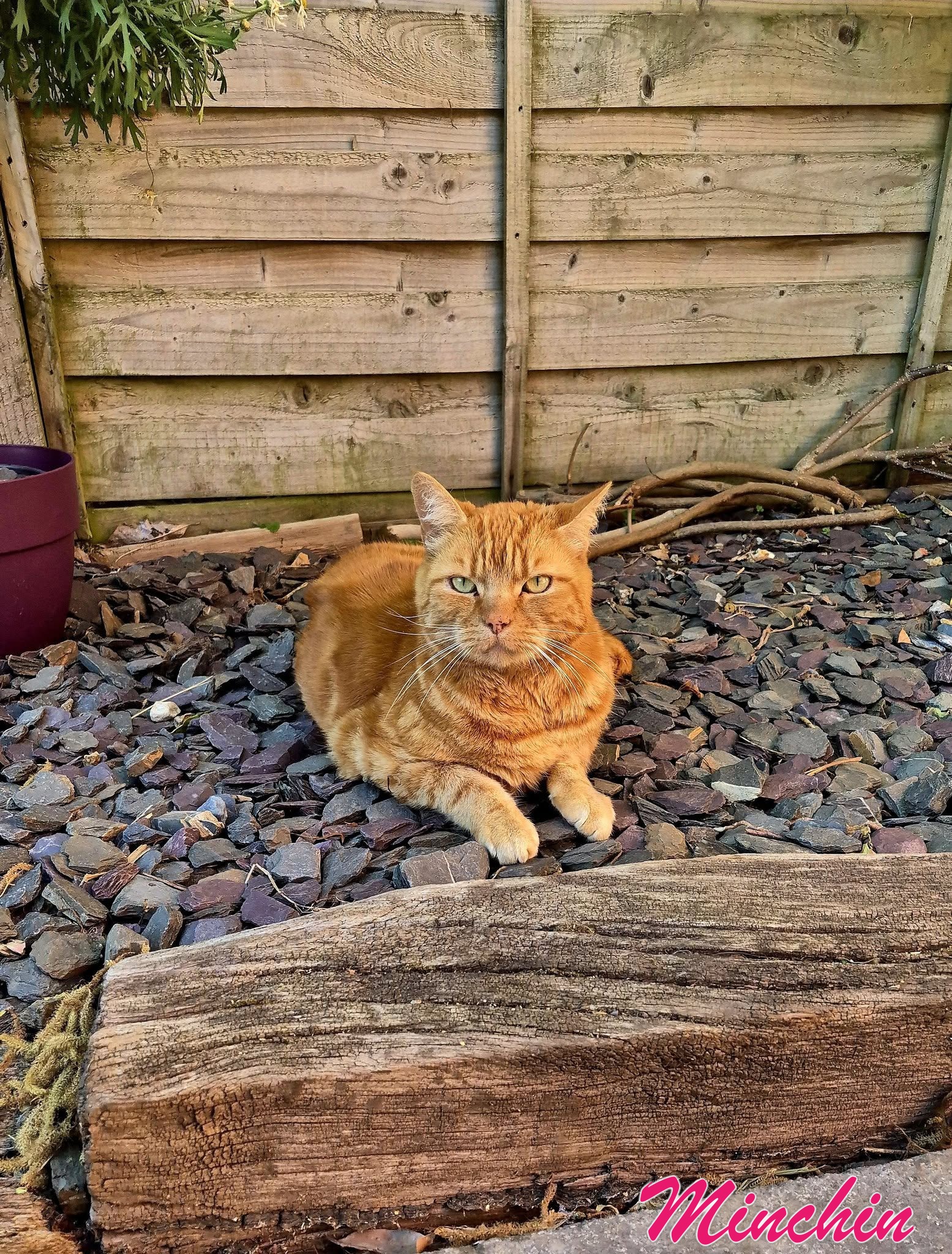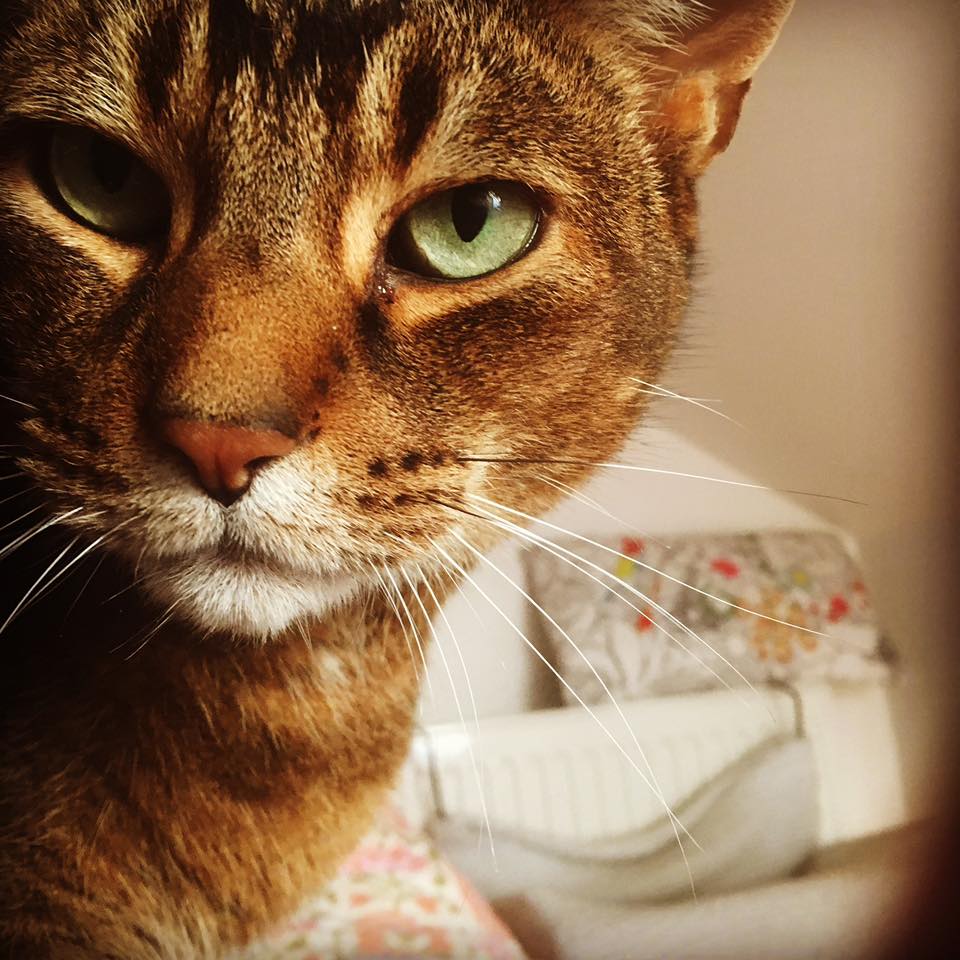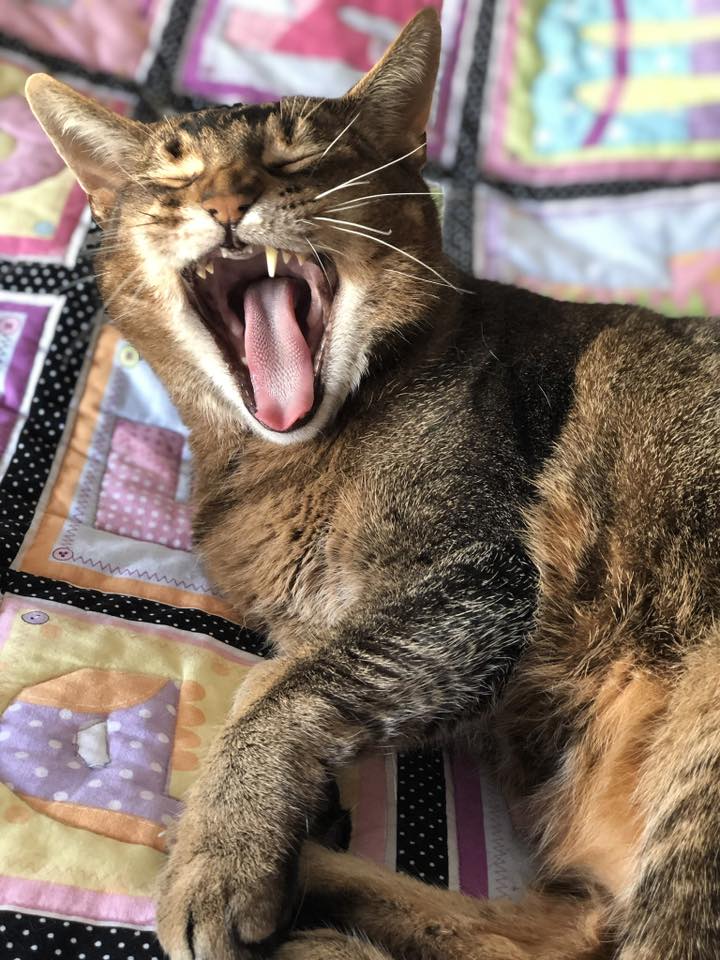
What is a Domestic Shorthair like?
Domestic Shorthairs are adaptable, varied and individual cats. Some are affectionate lap cats, while others are independent and observant.
They are the most common type of cat in the UK and are often robust companions because of broad genetic diversity.
Domestic Shorthair temperament
Temperament varies enormously, but many Domestic Shorthairs are sociable, affectionate and emotionally balanced cats who adapt well to family life.
Domestic Shorthair care needs
- Weekly brushing is usually enough.
- Weight should be monitored carefully, especially indoors.
- Daily enrichment and play help wellbeing.
- Dental care should be maintained throughout life.
- Regular parasite prevention is important for outdoor cats.
- Annual vet checks help identify chronic illness early.
Domestic Shorthair size and lifespan
Domestic Shorthairs vary significantly in size and build, but most weigh between 3kg and 6kg. Life expectancy is commonly between 12 and 18 years.
Domestic Shorthair exercise and activity
Most Domestic Shorthairs are moderately active. Outdoor cats may exercise naturally, while indoor cats need structured play, puzzle feeders and climbing spaces.
Coat and grooming
The short coat is straightforward to maintain with weekly brushing, with slightly more attention during seasonal shedding.
Temperament and training
Domestic Shorthairs are often intelligent and adaptable, though training responsiveness varies greatly between individuals.
Is a Domestic Shorthair right for me?
A Domestic Shorthair can suit almost any household because the type is so diverse. Insurance remains a policy detail some owners compare because accidents, illness and chronic treatment can still become expensive.
Browse cat guides | Non-pedigree breed guides | Compare pet insurance
For more context before comparing cat cover, read our guide to pet insurance policy types and the jargon buster on pre-existing conditions.