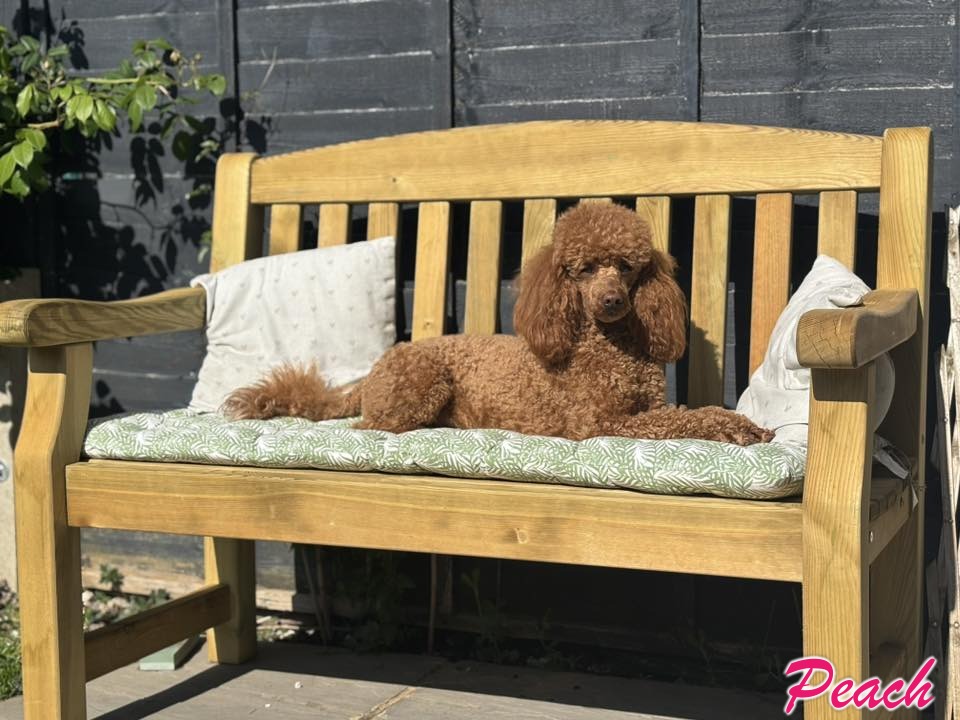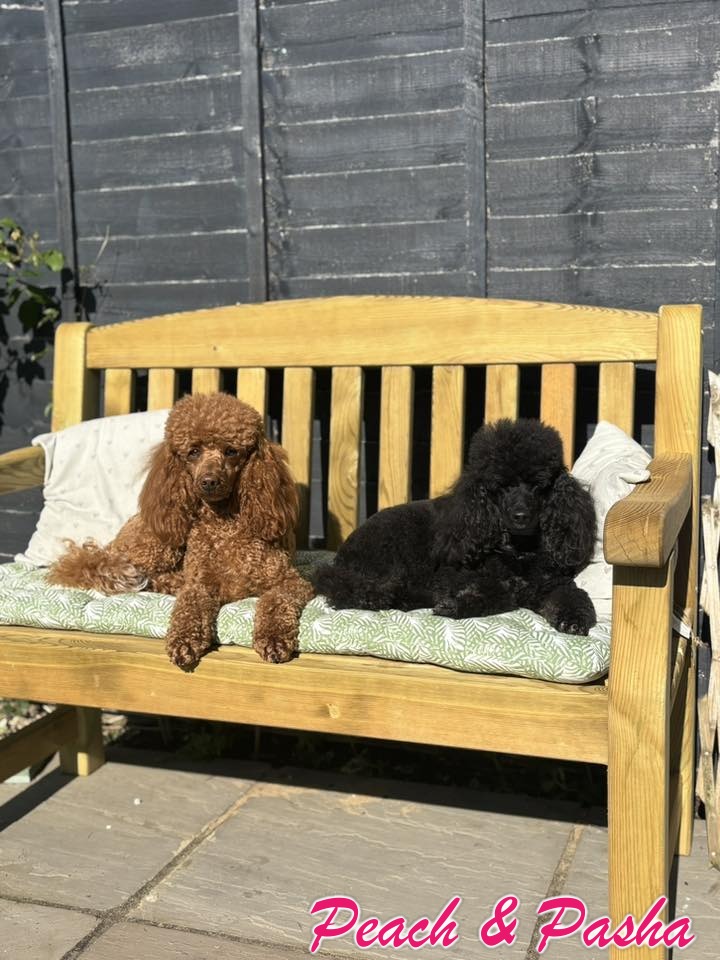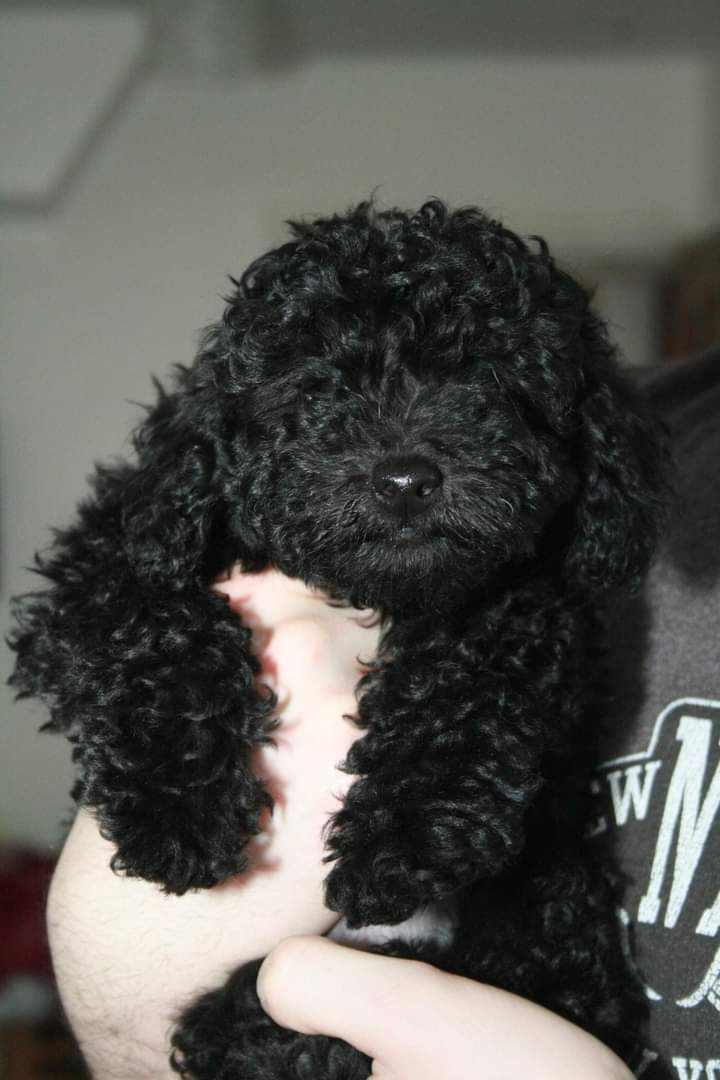
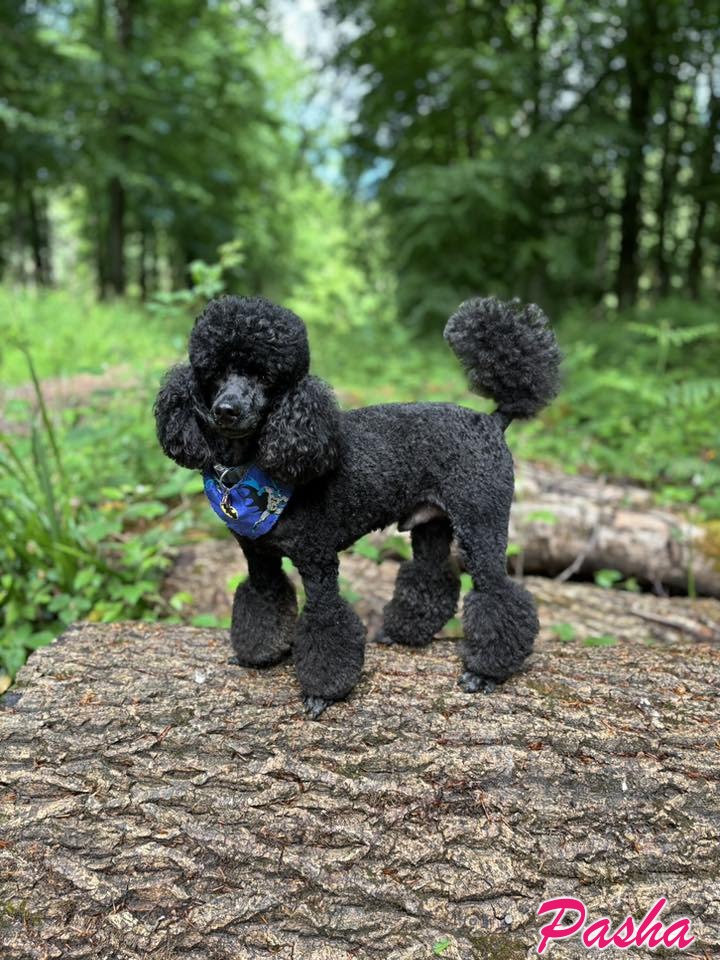
What is a Standard Poodle like?
Standard Poodles are usually bright, responsive and people-focused dogs that enjoy having something to do. Many are affectionate with their families and enjoy training, games and structured activity.
The breed has a working background as a water retriever, despite often being thought of as purely a companion or show dog. In day-to-day ownership, this means many Standard Poodles are athletic, clever and need both physical exercise and mental stimulation.
Standard Poodle temperament
Standard Poodles are often intelligent, sociable and quick to learn. Many respond well to reward-based training and enjoy activities that involve problem-solving. Their sensitivity and close attachment to people mean they may not suit long periods alone without preparation and routine.
Standard Poodle care needs
- Arrange regular professional grooming to maintain the curly coat.
- Brush the coat between grooms to prevent matting, especially around ears, legs and collar areas.
- Provide daily exercise with walks, play and training-based enrichment.
- Monitor ears regularly because hair and moisture can contribute to irritation.
- Keep the dog at a healthy weight to support joints and mobility.
- Provide mental stimulation because intelligent dogs can become bored without it.
Standard Poodle size and lifespan
Male Standard Poodles are usually around 45 to 60cm or more at the shoulder and commonly weigh between 20 and 32kg. Females are usually similar in height but may be slightly lighter, commonly weighing between 18 and 28kg. Average lifespan is generally around 12 to 15 years. Healthy weight, appropriate exercise, grooming and routine veterinary care can all influence long-term comfort and wellbeing.
Standard Poodle exercise needs
Most adult Standard Poodles need around one to two hours of daily exercise, depending on age, fitness and temperament. They often enjoy walking, running, swimming, retrieving games, scent work, obedience and agility-style activities. Puppies should avoid excessive forced exercise while growing, and many owners follow the five-minute rule for structured exercise, meaning around five minutes per month of age up to twice daily.
Coat and grooming
The Standard Poodle has a dense, curly coat that sheds very little but needs regular maintenance. Professional grooming is usually needed every few weeks, and brushing between appointments helps prevent matting. Ears, feet, nails and teeth should also be checked regularly, with particular attention to ear hygiene because moisture and hair can contribute to irritation.
Temperament and training
Standard Poodles are highly trainable and often enjoy structured learning, from obedience and trick training to dog sports and assistance-style work. They usually respond best to kind, consistent methods and varied sessions that keep them mentally engaged. Owners should be aware of possible separation-related behaviour, sensitivity to harsh handling and the need for regular mental challenge.
Is a Standard Poodle right for me?
Standard Poodles usually suit owners who want an active, intelligent larger dog and can commit to regular grooming and daily exercise. They can be excellent companions for households that enjoy training, outdoor activity and structured routines. Before comparing policies, it is worth factoring in potential costs linked to grooming, ear care, joint conditions, bloat risk and ongoing health treatment.
Browse dog guidesUtility breed guidesCompare pet insurance
For more context before comparing cover, read our guide to hip scoring and dog insurance and the jargon buster on bilateral conditions.