What is a utility breed?
Utility breeds are dogs with varied historical jobs, including companionship, guarding, coaching, spitz-type work and other specialist functions outside the main working categories.

Utility breeds are a varied group of dogs originally developed for specialised roles that do not sit neatly within the other breed groups. The section includes companion breeds, spitz types, watchdogs, coaching dogs and breeds once used for practical work in different parts of the world. Activity levels range from moderate lapdog routines to active outdoor lifestyles, and coats vary from short and smooth to dense, long or curly. Common health themes can include skin, eyes, breathing, joints, dental disease and inherited conditions depending on breed shape and ancestry. This index links to every utility breed guide so UK owners can compare temperament, grooming, exercise needs and pet insurance considerations.


A large Japanese spitz-type dog known for loyalty, independence and a thick double coat.
View Akita guide
A compact companion breed with a short coat, lively nature and short-faced health considerations.
View Boston Terrier guide
A low, heavy companion breed with a calm temperament and important breathing and skin care needs.
View Bulldog guide
A medium-sized primitive breed with alert behaviour, independence and moderate grooming needs.
View Canaan Dog guide
A sturdy spitz breed with a dense coat, reserved temperament and eye or skin considerations.
View Chow Chow guide
An athletic spotted breed historically associated with coaching work and known urinary health themes.
View Dalmatian guide
A calm spitz-type companion breed with a thick coat and moderate activity needs.
View Eurasier guide
A popular small companion breed with a short face, compact body and heat-management considerations.
View French Bulldog guide
A small spitz breed with an alert temperament, thick coat and regular grooming needs.
View German Spitz (Klein) guide
A medium-small spitz breed with a dense coat, lively personality and watchdog instincts.
View German Spitz (Mittel) guide
A large Japanese breed with a dignified temperament, strong body and thick coat.
View Japanese Akita Inu guide
A small Japanese spitz breed known for independence, cleanliness and strong character.
View Japanese Shiba Inu guide
A sociable spitz breed with a plush coat, alert nature and regular grooming needs.
View Keeshond guide
A loyal, athletic Korean breed with strong independence and careful socialisation needs.
View Korean Jindo guide
A small Tibetan companion breed with a long coat, alert nature and eye or skin care needs.
View Lhasa Apso guide
A small wiry-coated breed with an alert temperament and grooming or dental considerations.
View Miniature Schnauzer guide
A medium-sized wiry-coated breed with intelligence, alertness and regular coat care needs.
View Schnauzer guide
A small black spitz-type breed with high curiosity, alertness and moderate grooming needs.
View Schipperke guide
A distinctive wrinkled breed with skin, eye and ear care considerations.
View Shar Pei guide
A small companion breed with a long coat, short face and regular grooming needs.
View Shih Tzu guide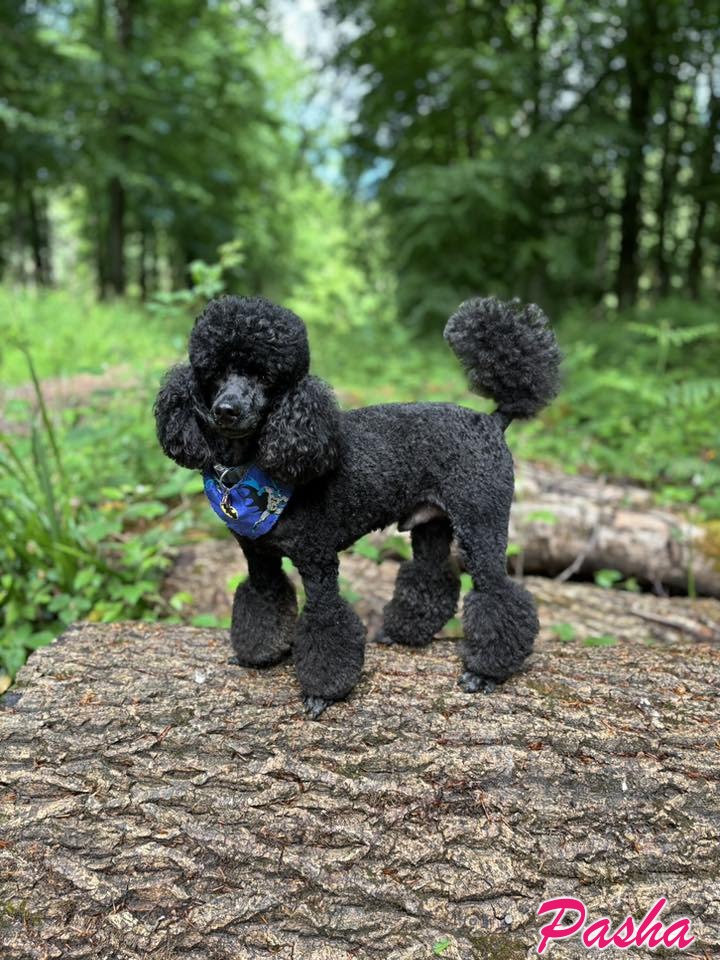
A large intelligent poodle with a curly coat, active mind and regular grooming needs.
View Standard Poodle guide
A small Tibetan companion breed with alert behaviour and moderate coat care needs.
View Tibetan Spaniel guide
A medium-small Tibetan companion breed with a long coat and steady activity needs.
View Tibetan Terrier guideCommon questions about utility breeds and insurance-aware breed research.
Utility breeds are dogs with varied historical jobs, including companionship, guarding, coaching, spitz-type work and other specialist functions outside the main working categories.
Many utility dogs are good family companions, but the group is very mixed. Suitability depends on the breed, handling needs, exercise level, grooming commitment and any breed-specific health concerns.
Policy wording may include terms around breathing treatment, skin and ear conditions, eye care, dental illness, inherited conditions, joint treatment and ongoing medication.
No. These guides provide general information and education. They do not recommend an insurer, policy or level of cover.