
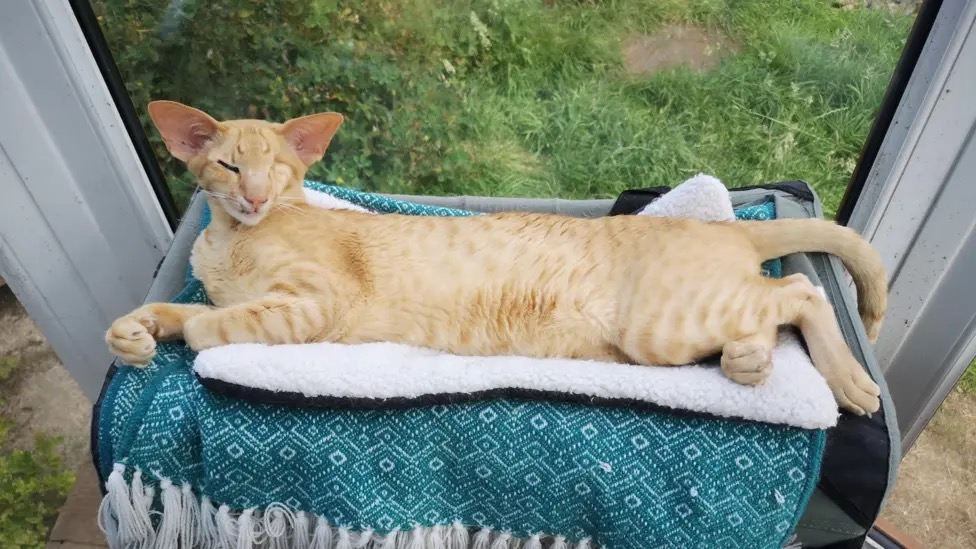
When Pier Walker's cat Maneesha was hit by a car, she had no idea the bills would eventually reach £14,000. She had cat fencing in her garden, eight cats to look after, and had made a conscious decision not to insure them because of the cost. She didn't think anything like this would happen.
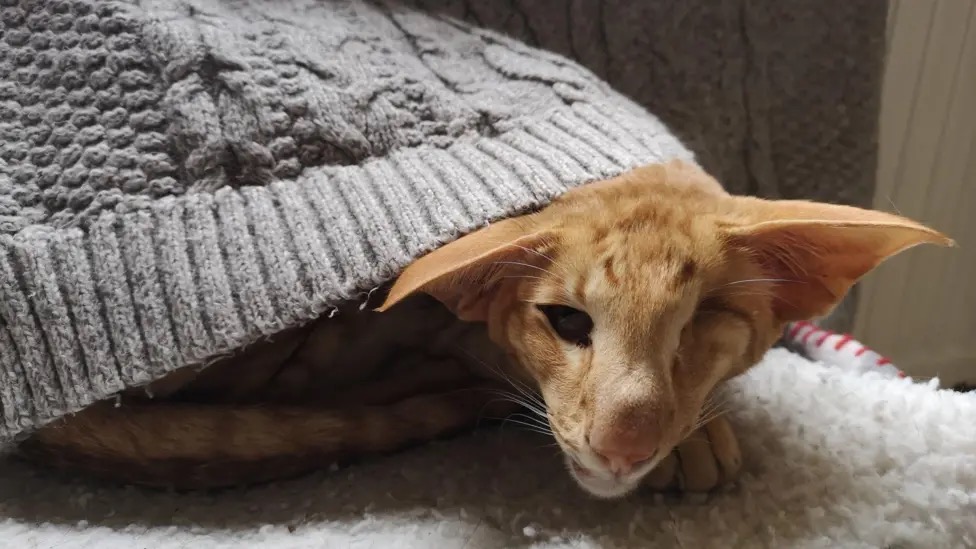
Maneesha was found freezing cold by a dog walker and taken to an emergency clinic with a jaw broken in two places and a crushed skull. Initial treatment including scans and pain relief came to £1,500. He was then referred to a specialist practice in Wiltshire, where Walker had to find £5,000 upfront before they would begin work. The total eventually reached around £14,000. Maneesha survived, but lost one eye, and Walker has been paying off the bill at around £500 a month ever since.
Her story is far from unusual.
Vet costs have risen sharply
Vet costs have risen by 63% between 2016 and 2023, driven by higher overheads, advances in treatment, and the growing corporate ownership of veterinary practices. Around 60% of UK vet practices are now owned by just six corporate groups, up from 10% a decade ago, and the Competition and Markets Authority has found that vet prices have risen at nearly twice the rate of general inflation. Reforms to improve transparency are expected later this year, though they are not expected to bring prices down.
The British Veterinary Association's president, Dr Rob Williams, said that rising costs reflect genuine advances in care as well as higher operating expenses, pointing out that vets can do significantly more today than they could even ten years ago, and that pet owners increasingly expect human-quality healthcare for their animals. That is true, but it doesn't make the bills any easier to absorb.
Even with insurance, the costs can be significant
Sophie Butler from Bristol has pet insurance, but her policy is capped at £7,000. She has spent thousands treating her dog for follicular lymphoma and her 13-year-old rescue cat for chronic kidney disease. Her monthly premiums, excess payments and medications combined come to around £300 a month, a cost she describes as enormous, but one she says has been worthwhile.
Shelley Perkins has spent more than £20,000 on cancer treatment for her five-year-old cocker spaniel Roxy over the past two years. Her insurance covers most of it, but she pays around 25% herself, and her monthly premium has risen to £100. Roxy is now in remission, but Perkins is already thinking about what comes next.
"You love your pet, so you're going to pay," she said. "I think they've got us all over a barrel."
And then there's Rosie Matthews from Chew Valley in Somerset, who took out a higher level of cover just weeks before her cat Scratch was hit by a car and needed an £8,000 hip replacement. Her insurance covered it.
"I'm a carer, my partner is an electrician, we're not hugely rich," she said. "Thank God I had that policy."
The gap between insured and uninsured
Around 40% of dog and cat owners in the UK have no pet insurance at all, according to figures from Tesco Insurance. With more than half of all UK households owning a pet, that's a very large number of people who are one accident or diagnosis away from a bill they may not be able to pay.
Suzana Hudson-Cooke, chair of the British Veterinary Union, said that most pricing decisions are made at corporate level, and that frontline vets are employees who don't control pricing and aren't paid on commission. She also noted that vets are increasingly on the receiving end of frustration from pet owners who feel they have no one else to direct it at, which she described as draining for staff who already find it emotionally difficult when someone brings in an unwell pet they can't afford to treat.
The British Veterinary Union advises pet owners to research treatment costs before they need them, consider insurance, and keep an emergency fund if possible.
The stories above show what the difference between insured and uninsured can look like in practice. Nobody plans for their cat to escape through a gap in the fence or their dog to develop cancer at five years old. But those things happen, and when they do, the bills arrive whether you're ready for them or not.
This article is for general information only and does not constitute advice of any kind. Always read policy wording carefully and consider your own circumstances before buying or renewing pet insurance.